Hey, reader—imagine staring at your credit card bill, heart pounding as those interest charges eat away at your hard-earned money like termites in a wooden house. In October 2025, with total U.S. household debt soaring to a staggering $18.39 trillion in Q2 alone, and the average household owing around $152,000, this scenario is all too real for millions. Credit card balances have ballooned to $1.21 trillion, with median interest rates hitting 23.99%—that's money vanishing into thin air without you lifting a finger. But here's the empowering twist: You can break free without chasing a raise or side hustle. By mastering budgeting and reallocating what you already have, you can tackle high-interest debt head-on. This guide isn't fluff—it's a step-by-step blueprint packed with proven tactics, real success stories, and tools to keep you motivated. If you've ever felt trapped by debt, stick around. By the end, you'll have a plan to reclaim your financial freedom. What's your biggest debt headache right now? Drop it in the comments—let's turn this into a supportive chat!

Step 1: Face the Facts—Assess Your Debt Like a Financial Detective
Before you can conquer debt, you need to know your enemy. Start by gathering all your statements: List every debt, balance, interest rate, and minimum payment. Apps like Mint or YNAB make this painless, syncing everything automatically. Why? Because hidden fees or forgotten cards can sabotage your efforts.
Calculate your debt-to-income ratio: Total monthly debt payments divided by gross income. If it's over 36%, you're in high-risk territory—time to act fast. Track a month's expenses without changes to spot "leaks" like unused subscriptions or daily coffees. One reader shared they found $150/month in forgotten apps—imagine redirecting that to debt!
Engagement check: Grab a notebook or app right now. What's your total high-interest debt? Sharing anonymously in comments can be cathartic and motivational.
This step builds awareness: A 2025 Experian survey shows 45% of debt-free folks credit starting with a clear inventory for their success. No judgment—just facts to fuel your fire.
Step 2: Craft a Bulletproof Budget—Your Debt's Worst Nightmare
Budgeting isn't about deprivation; it's about redirection. Without extra income, we'll focus on zero-based budgeting: Assign every dollar a job until nothing's left, prioritizing debt. This ensures no waste slips through.
Start with your take-home pay. Categorize: Essentials (50%—housing, food, utilities), wants (30%—fun stuff), and savings/debt (20%). But tweak for debt: Boost the debt slice by trimming wants.
| Category | Percentage | Examples | Debt-Focused Tips |
|---|---|---|---|
| Essentials | 50% | Rent, groceries, bills | Negotiate utilities or shop generics to free $50-100/month. |
| Wants | 20-30% | Dining, entertainment | Cut to 20%; use the savings for extra debt payments. |
| Debt/Savings | 20-30% | Minimums + extra | Allocate 25%+ to high-interest; automate to avoid temptation. |
Why it works: By living on less without earning more, you're forcing efficiency. FTC advises this as a core tool for debt escape. Pro tip: Use the envelope system for wants—cash only, no overspending.
Real talk: If your budget's tight, start a "no-spend" week on non-essentials. One story from a forum: A family saved $300/month by meal prepping, paying off a $5K card in a year. How's your budget looking? Try calculating now—what category surprises you?
Step 3: Pick Your Payoff Weapon—Avalanche or Snowball?
Now, channel that budgeted cash into a strategy. Two proven winners: Debt Avalanche (math-focused) and Snowball (motivation-driven).
Debt Avalanche: Pay minimums on all, extra to highest-interest first. Pros: Saves most on interest (10-20% more than snowball). Cons: Slower visible progress if high-rate debt is large.
Example: $10K at 24%, $5K at 18%, $2K at 15%. Attack the 24% first—extra $200/month could clear it in 18 months, saving $800 in interest.
Debt Snowball: Minimums everywhere, extra to smallest balance. Pros: Quick wins boost morale; people stick longer. Cons: May pay more interest overall.
Example: Clear $2K first in months, roll payment to next—momentum builds like a snowball.
Which fits you? Avalanche for analytical types, snowball for those needing wins. CNBC recommends avalanche for high rates in 2025. Hybrid tip: Start snowball for motivation, switch to avalanche.
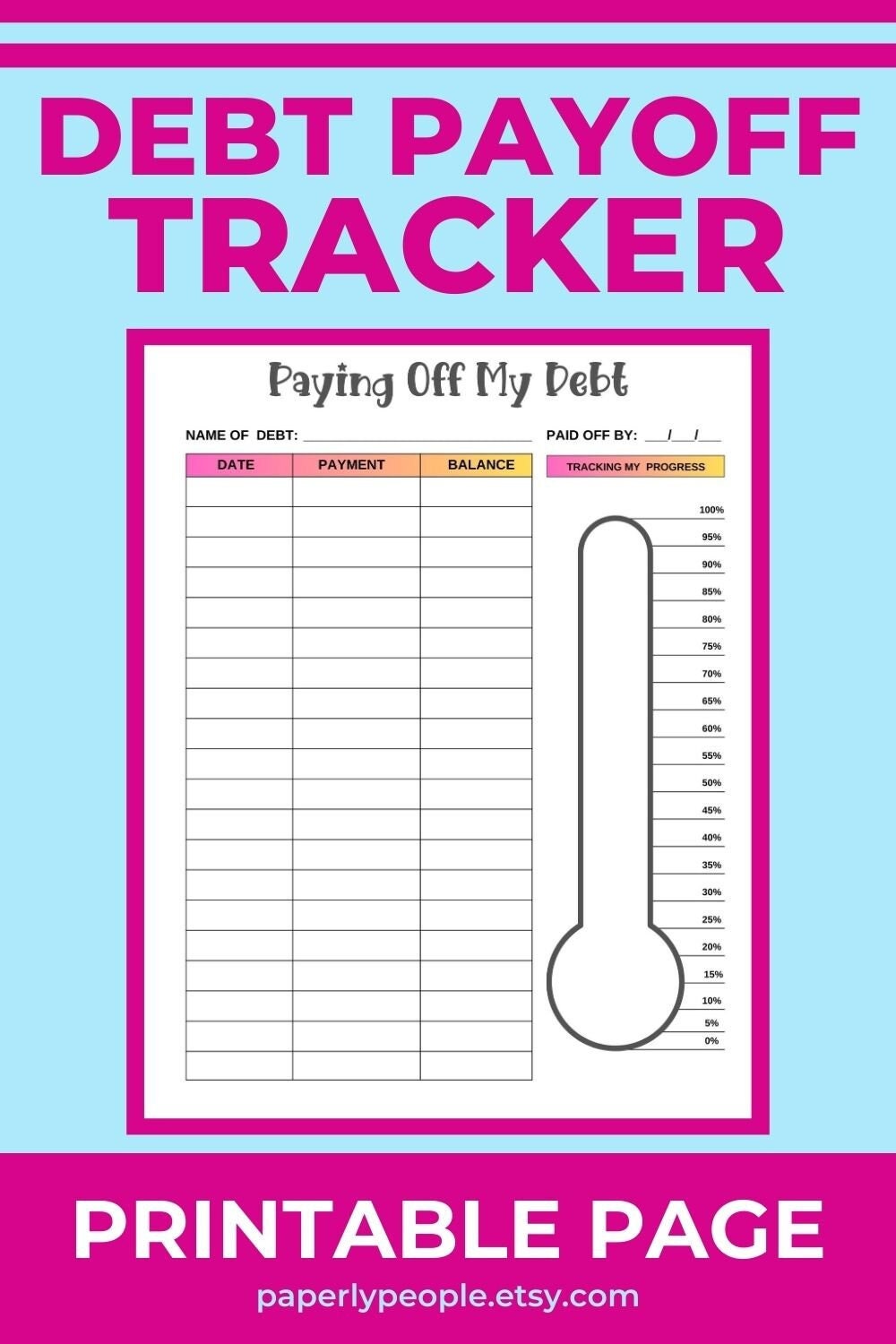
Track with a progress chart—color in as you pay down. Visuals keep you going!
Step 4: Slash Expenses Creatively—Find Hidden Money in Your Budget
Without extra income, expense cuts are your secret weapon. Aim for $200-500/month by auditing habits.
- Negotiate Bills: Call providers—50-80% success for lower rates on cable, insurance. Saved $50/month? Straight to debt.
- Grocery Hacks: Meal plan, buy generics, app coupons. Families save $100-200/month.
- Subscription Audit: Cancel unused—average American wastes $200/year.
- Energy Savers: LED bulbs, unplug devices—small changes add $50/month.
- Transport Tweaks: Carpool or bike—cut gas by 20%.
No-spend challenges: One week sans dining out. Lending Club suggests creative cuts like windfalls (tax refunds) for debt. Story: A couple cut $400/month on extras, paying $16K debt in a year. Your turn: What's one cut you can make today?
Step 5: Leverage Smart Tools—Transfers, Consolidation, and More
Amp up with these without new income.
- Balance Transfers: Move to 0% APR cards (12-21 months). Fees 3-5%, but saves big—$1,000 on $10K.
- Consolidation Loans: Roll into lower-rate loan (7-15%). Simplifies, cuts interest.
- Credit Counseling: Non-profits negotiate rates, free plans.
Build $1K emergency fund first—prevents new debt. NerdWallet stresses this for 2025.
Step 6: Track, Adjust, and Celebrate—Sustain Your Momentum
Monthly reviews: Adjust budget, celebrate milestones (e.g., $1K paid—treat within limits). Apps track automatically.
Success stories: Michelle paid $113K in 28 months by budgeting cuts. Another cleared $25K in a year via cash-only and supports. A family sacrificed luxuries for $200K payoff. No income boosts—just discipline.
Your journey: Start small, stay consistent. What's your first step?
Final Thoughts
In 2025, with delinquency rates climbing, budgeting is your lifeline to debt freedom without extra income. From assessment to celebration, these steps—proven by experts and real folks—can transform your finances. Commit today: Audit, budget, attack. You'll sleep better, stress less. Share your progress or questions below—let's cheer each other on!


0 Comments