Hey there, reader—imagine this:you're scrolling through your feed, seeing headlines about stock markets hitting record highs amid economic uncertainty, AI-driven booms, and lingering inflation worries. You're tempted to jump in, but a nagging doubt holds you back: "What if I lose everything?" If that sounds familiar, you're in good company. Despite accessible tools like robo-advisors and commission-free trading, millions still struggle with investing, often losing money or giving up altogether. A recent analysis shows that over 80% of day traders lose money, and even seasoned investors cite emotional decisions as a top culprit. But here's the empowering truth: Investing doesn't have to be a gamble. With the right approach, anyone can start building wealth safely and sustainably. In this in-depth guide, we'll unpack why so many falter in 2025's volatile landscape—drawing from fresh insights on market risks like Fed pivots and trade tensions—and then shift to a step-by-step blueprint for getting started the proper way. We'll blend expert advice, real-world examples, and actionable tips to make this high-value and engaging. By the end, you'll feel confident to take that first step. What's holding you back from investing right now—fear, lack of knowledge, or something else? Share in the comments, and let's turn those barriers into breakthroughs!
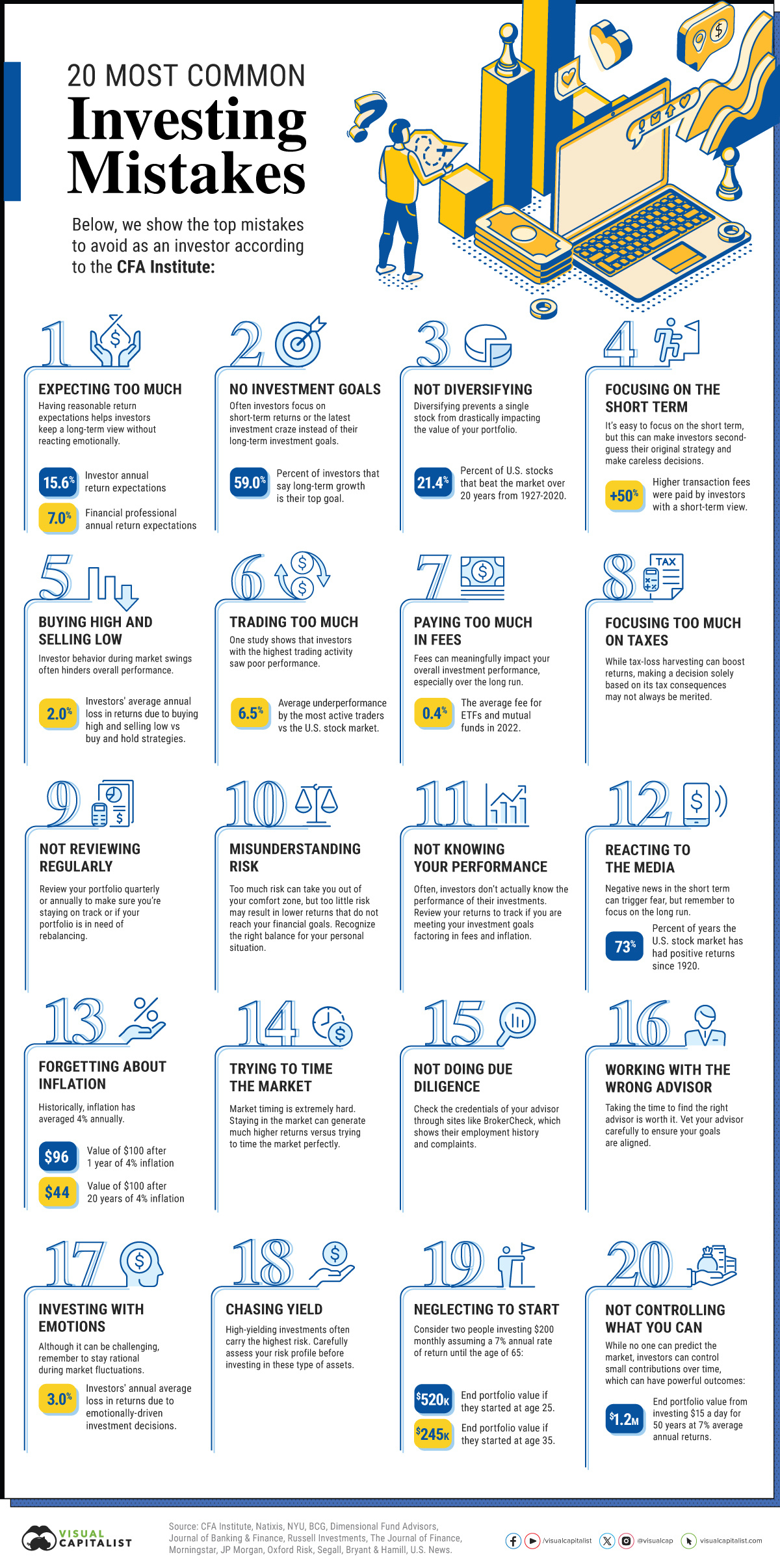
Why People Still Struggle with Investing in 2025: The Common Pitfalls Exposed
Investing should be a path to financial freedom, but for too many, it's a road littered with regrets. In 2025, with the stock market facing potential derails like taxes, tariffs, and softer AI growth, the stakes are higher than ever. Let's dive into the key reasons people falter, backed by recent analyses, so you can spot these traps in your own habits.
1. Trying to Time the Market and Chasing Trends
One of the biggest blunders? Attempting to predict market highs and lows. As a 2025 video analysis points out, popular strategies fell apart this year due to shifts like the end of U.S. exceptionalism, leaving investors who chased tech stocks or timed exits in the dust. The New York Times reports that most people hurt themselves by trading too much—interfering with hands-off strategies that historically outperform. In a year of Fed pivots and slowing job growth, this emotional rollercoaster leads to buying high and selling low, eroding returns.
Real-life vibe: A Reddit user shared their portfolio down 7.4% since January 2025 due to biweekly stock picks gone wrong. The lesson? Markets are unpredictable—focusing on short-term noise instead of long-term value is a recipe for failure.
2. Emotional Decision-Making and Lack of Planning
Emotions are investing's silent killer. Fear during dips or greed during booms prompts rash moves, like pulling out during a "growth scare" when economic signals weaken. A 2025 outlook from Ramsey Solutions warns of lingering inflation concerns slowing markets, amplifying panic sells. Without a plan, investors ignore basics like setting goals or assessing risk tolerance, leading to overexposure.
Investor's Business Daily lists the biggest money mistakes of 2024 (still relevant in 2025), including not having a clear strategy, which results in chasing fads or stopping investments mid-dip. Pro tip: If you're hesitating or jumping in without research, you're setting yourself up for stress and losses.
3. Poor Diversification and Overleveraging
Putting all your eggs in one basket? Classic fail. The CFA Institute's top mistakes include not diversifying, leaving you vulnerable to sector crashes—like AI hype fizzling or tariffs hitting imports. Overleveraging with debt amplifies risks, especially in volatile 2025 markets where corporate profits could pressure.
A YouTube breakdown of 5 big mistakes in 2025 emphasizes failing to diversify amid U.S. labor market weakening. Real estate investors often fail by overleveraging or ignoring market research, as noted in industry analyses. Diversification isn't just smart—it's essential for weathering storms.
4. Ignoring Fundamentals and Succumbing to Hype
Many chase "hot" investments without understanding basics, like inflation's impact or fiscal health concerns raising bond yields. Siift's business investing fails include weak planning and market misunderstanding. In 2025, with potential stock derails from taxes or trade wars, hype around AI or cryptos leads to bubbles bursting.
Orowealth's infographic warns against constantly reshuffling portfolios or stopping during lows—patience is key. If you're influenced by social media tips without due diligence, you're playing a dangerous game.
These struggles aren't inevitable—they stem from mindset and preparation gaps. But flip the script, and success awaits. Ever caught yourself in one of these? Let's commiserate in the comments—no judgment, just growth!
How to Start Investing the Proper Way: A Beginner-Friendly Blueprint for 2025
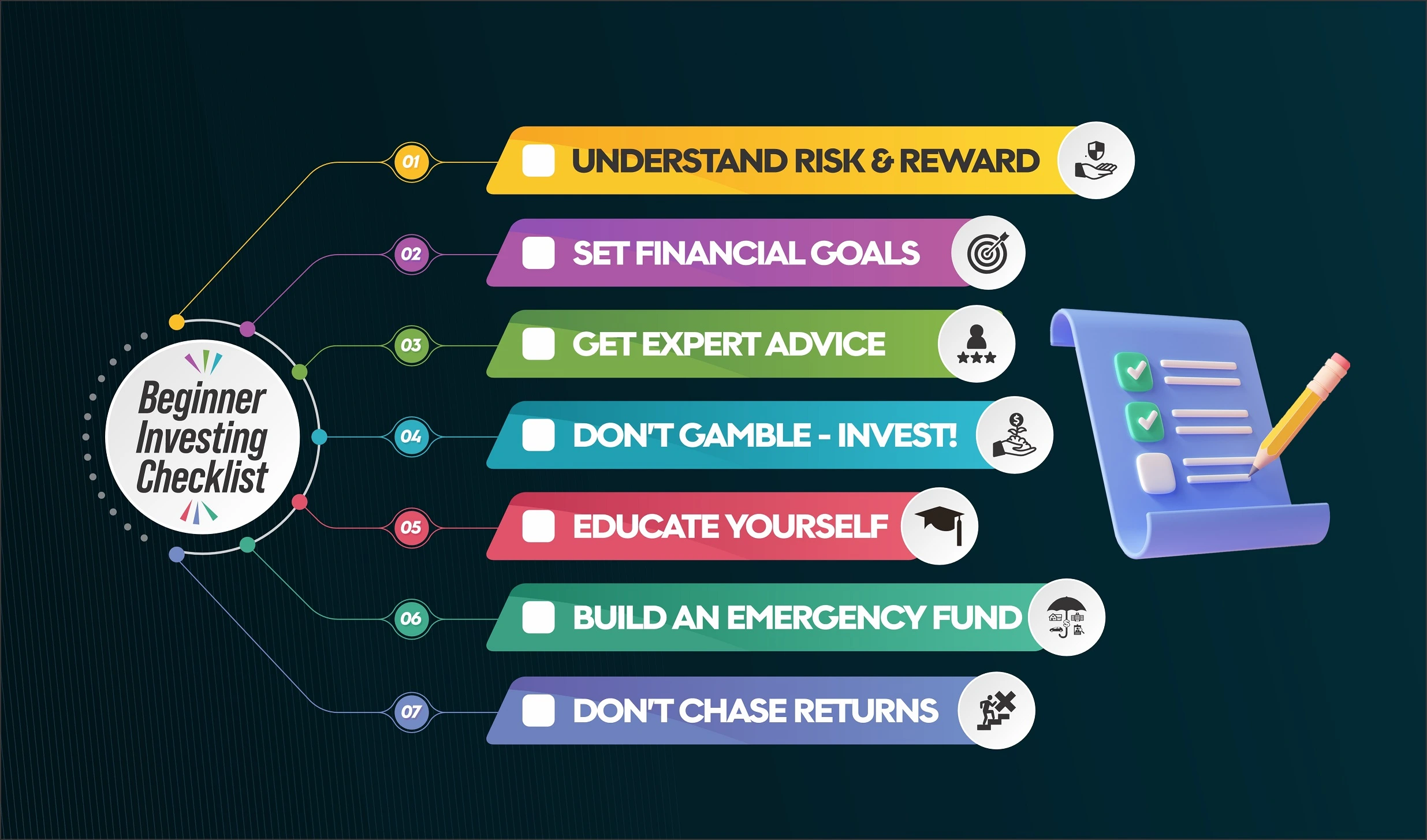
Now, let's shift from pitfalls to progress. Starting properly means building a foundation that withstands 2025's challenges—like potential market crashes or AI disruptions. NerdWallet's 6-step guide and Investopedia's beginner tips provide a solid framework, emphasizing goals, accounts, and risk. Here's a detailed, step-by-step plan to get you investing confidently, without the common stumbles.
Step 1: Define Your Goals and Risk Tolerance
Before buying anything, ask: Why invest? Retirement, a home, or education? Set SMART goals—specific, measurable, achievable, relevant, time-bound. U.S. Bank advises checking your financial situation first. Assess risk: Younger folks can afford aggression; closer to retirement, go conservative.
Apply: Use a quiz from Fidelity or Ramsey to gauge tolerance. Example: If your goal is $50K in 5 years for a down payment, aim for balanced growth.
Step 2: Build an Emergency Fund and Pay Down High-Interest Debt
Don't invest without a safety net. Bankrate recommends 3-6 months' expenses in high-yield savings (4-5% in 2025). Pay off credit cards (22%+ APR) first—investing while in debt is like filling a leaky bucket.
Apply: Start with $1,000, then build. Rule One stresses educating yourself here.
Step 3: Choose the Right Account Type
Decide: Brokerage for flexibility, IRA for retirement (Roth for tax-free growth). NerdWallet outlines: Robo-advisors for hands-off, brokers for active. For 2025 beginners, start with Vanguard or Fidelity—low fees, educational resources.
Apply: If employer offers 401(k) match, max it—free money!
Step 4: Set a Budget and Fund Your Account
Determine how much: 15% of income is ideal, but start small ($100/month). Automate transfers to avoid temptation.
Apply: Use apps like Acorns for spare change investing.
Step 5: Pick Investments Wisely
For beginners, index funds or ETFs tracking S&P 500—low-cost, diversified. Avoid individual stocks initially. Bankrate suggests funds to reduce risk.
Apply: Dollar-cost average—invest fixed amounts regularly to average prices.
Step 6: Monitor, Learn, and Adjust
Review quarterly, not daily. Educate via books like "The Intelligent Investor." Reddit's evergreen guide stresses monitoring without overreacting.
Apply: Use tools like Mint for tracking. Rebalance annually.
| Step | Key Action | Tools/Resources | Potential Pitfall to Avoid |
|---|---|---|---|
| 1 | Define Goals | Fidelity Quiz | Vague objectives leading to aimless investing |
| 2 | Emergency Fund | High-Yield Savings | Skipping this and risking forced sells |
| 3 | Choose Account | Vanguard/Fidelity | High-fee brokers eroding returns |
| 4 | Budget/Fund | Automation Apps | Inconsistent contributions missing compounding |
| 5 | Pick Investments | Index Funds/ETFs | Chasing hot stocks without research |
| 6 | Monitor/Adjust | Mint/Excel | Emotional trading on daily fluctuations |
This blueprint, inspired by 2025 guides, ensures a proper start. Which step will you tackle first? Let's hold each other accountable in the comments!
Final Thoughts: From Struggle to Success—Your Investing Journey Awaits
In 2025, investing struggles boil down to emotional traps, poor planning, and market misreads—but the proper way starts with self-awareness, a solid foundation, and disciplined execution. By avoiding common fails and embracing these steps, you'll join the ranks of successful investors who build wealth steadily. Remember, as Buffett says, "The stock market is designed to transfer money from the active to the patient." Start small, stay consistent, and watch your portfolio grow. Consult a advisor if needed, and never invest what you can't afford to lose. Ready to begin? Pick one action today—open an account or build that emergency fund. What's your plan? Share in the comments, and let's celebrate your progress. Here's to your financial freedom


0 Comments