Hey there, book lover—or maybe you're someone who's been meaning to pick up a book but keeps scrolling through social media instead? Imagine this: You're sitting in a cozy chair, flipping through pages that not only entertain but also sharpen your mind, just like the world's wealthiest do every day. In 2025, as economic uncertainties linger and innovation races ahead, the ultra-rich aren't just counting their billions—they're investing in knowledge through voracious reading. Warren Buffett dedicates up to 80% of his workday to reading, while Bill Gates knocks out about 50 books a year. Elon Musk credits his childhood habit of reading 10 hours a day for learning rocket science from scratch. These aren't coincidences; reading is a cornerstone of their success. But what exactly do they gain from it, and how can everyday folks like us apply these habits without feeling overwhelmed? In this deep-dive guide, we'll explore the reading routines of billionaires, the profound lessons they extract, and actionable steps to weave them into your life. Whether you're aiming for financial freedom or personal growth, stick around—this could be the mindset shift you need. What's the last book that changed your perspective? Share in the comments, and let's spark a discussion!
The Reading Routines of Billionaires: More Than Just a Hobby
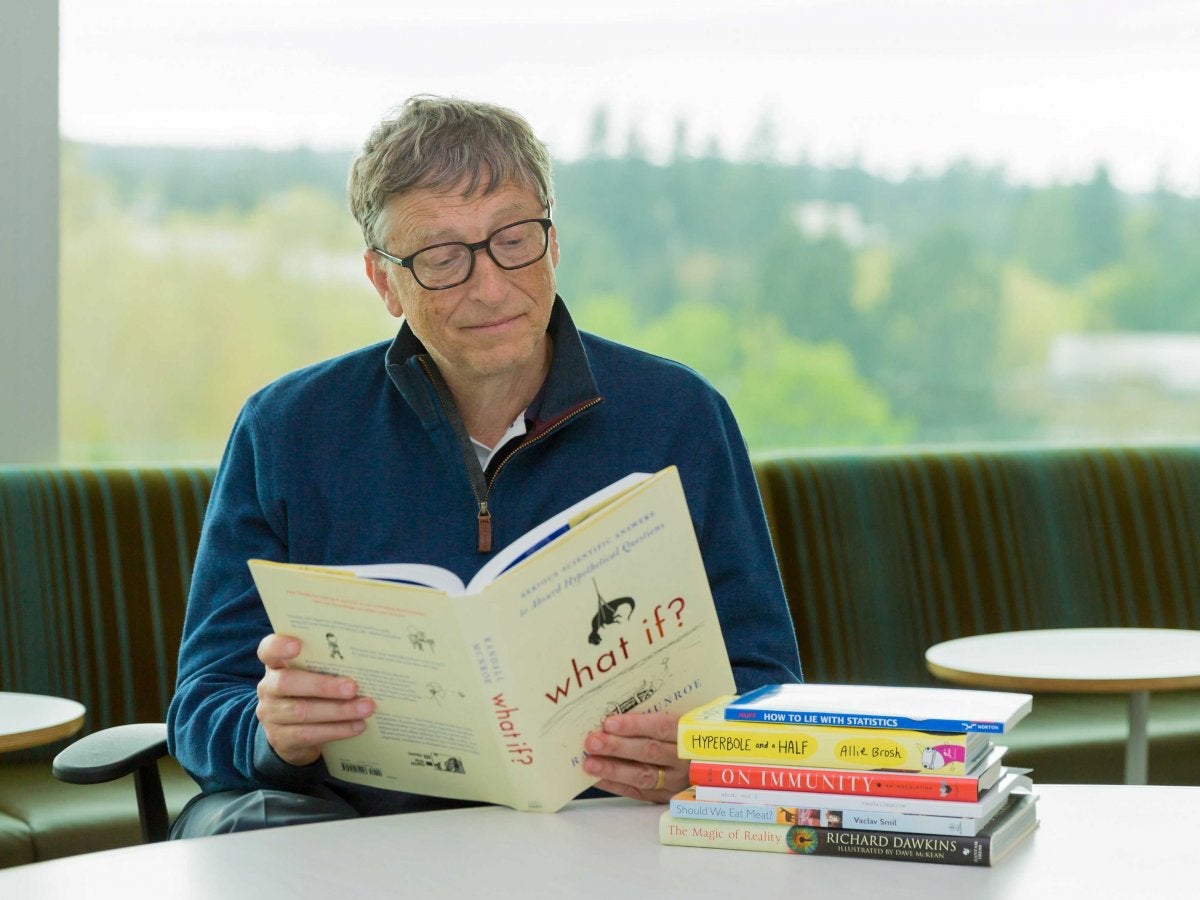
Billionaires don't read for leisure alone; it's a strategic ritual that fuels their empires. Take Warren Buffett, the "Oracle of Omaha," who spends 5-6 hours daily poring over newspapers, financial reports, and books. He once quipped, "Read 500 pages like this every day. That's how knowledge works. It builds up, like compound interest." Bill Gates, with his annual "Think Weeks" dedicated to deep reading, maintains a blog sharing his insights from around 50 books yearly, spanning science, history, and business. Elon Musk, as a kid, devoured books for up to 10 hours a day, crediting titles like "Structures: Or Why Things Don't Fall Down" for his engineering prowess. Mark Zuckerberg aimed for a book every two weeks in 2015, focusing on history and technology to broaden his worldview.
Research backs this up: A study found that 85% of millionaires read two or more books per month, compared to just 15% of the general population. In 2025, with AI accelerating change, these habits are even more relevant. Charlie Munger, Buffett's partner, emphasized lifelong learning, stating, "In my whole life, I have known no wise people who didn't read all the time—none, zero." Their routines often include active note-taking, theme-based reading (e.g., Gates on global issues), and rereading classics annually to reinforce ideas. Oprah Winfrey, another billionaire reader, credits books for her empathy and leadership, saying, "Books were my path to personal freedom."
What's fascinating is the diversity: While Buffett sticks to business tomes, Musk dives into sci-fi for inspiration, showing reading adapts to personal goals. If you're thinking, "I don't have time," remember—these titans make time because they know it's an investment with exponential returns. How many hours do you read weekly? Let's compare notes in the comments!
What Billionaires Actually Learn from Books: Unpacking the Hidden Gems
Reading isn't passive for the wealthy; it's a tool for compounding wisdom. Naval Ravikant describes it as building mental models for better decisions. Here's a breakdown of key lessons they extract, based on their own words and recommendations:
| Lesson | Billionaire Example | How It Translates to Success | Practical Takeaway for You |
|---|---|---|---|
| Compounding Knowledge | Warren Buffett | Books build a "latticework of models" for investing, like compound interest for the mind. | Leads to wiser choices, avoiding costly mistakes. |
| Enhanced Decision-Making | Bill Gates | Reading exposes diverse perspectives, sharpening analytical skills for global challenges. | Spots trends early, informing philanthropy and business. |
| Fostering Innovation | Elon Musk | Sci-fi and textbooks spark "first principles" thinking, breaking problems down to basics. | Fuels breakthroughs in SpaceX and Tesla. |
| Building Empathy & Leadership | Oprah Winfrey | Stories cultivate understanding of people, crucial for negotiations and teams. | Turned her into a media mogul through relatable connections. |
| Stress Reduction & Focus | Mark Zuckerberg | Thematic reading (e.g., history) provides meditative escape, boosting clarity. | Maintains focus amid Meta's chaos. |
| Perseverance & Intelligence | All | Consistent reading expands vocabulary, grit, and IQ—88% of successful read daily. | Correlates with higher income and innovation. |
These aren't abstract; they're tangible edges. For instance, Buffett's reading helped him navigate market crashes, while Gates uses it to predict tech trends. In 2025, with rapid AI advancements, this learning agility is priceless. Ever applied a book lesson to a real problem? Tell us below—your story might inspire someone!
Billionaire-Recommended Books: Curated Gems for 2025
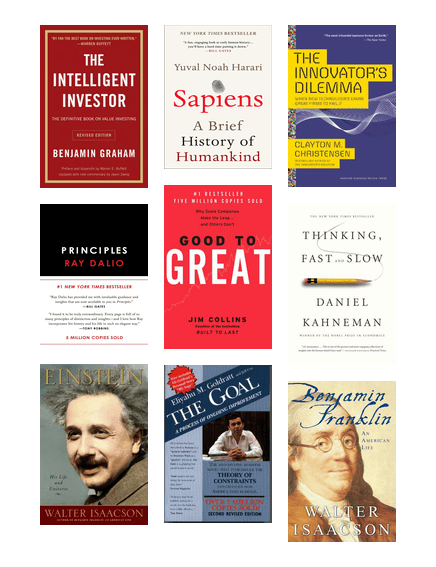
Billionaires don't read randomly—they curate lists that drive results. Here's a 2025-updated selection from their favorites, with why they matter and how to apply them. These span genres, ensuring broad wisdom.
- Sapiens: A Brief History of Humankind by Yuval Noah Harari (Recommended by Bill Gates, Mark Zuckerberg, and 11 others) – Explores human evolution and societies. Lesson: Understand patterns in history to predict future trends. Apply: Read to gain perspective on business cycles—use for strategic planning.
- Principles by Ray Dalio (Bill Gates, Sam Altman) – Dalio's life and work principles for decision-making. Lesson: Radical transparency fosters better choices. Apply: Implement "idea meritocracy" in your team or personal goals for clarity.
- The Intelligent Investor by Benjamin Graham (Warren Buffett's bible) – Value investing fundamentals. Lesson: Patience over speculation. Apply: Treat investments like Buffett—focus on long-term value, not hype.
- Thinking, Fast and Slow by Daniel Kahneman (Gates, Zuckerberg) – Psychology of judgment. Lesson: Combat cognitive biases. Apply: Use for everyday decisions, like negotiating a raise or avoiding impulse buys.
- Zero to One by Peter Thiel (Elon Musk) – Innovation and startups. Lesson: Create monopolies through unique value. Apply: Brainstorm side hustles that solve untapped problems.
- Shoe Dog by Phil Knight (Gates, Oprah) – Nike's gritty origin story. Lesson: Perseverance through failures. Apply: When facing setbacks, recall Knight's resilience for motivation.
- The Psychology of Money by Morgan Housel (Multiple) – Behavioral finance insights. Lesson: Wealth is mindset-driven. Apply: Shift from spending to saving habits for financial freedom.
- Good to Great by Jim Collins (Buffett, Dalio) – What makes companies excel. Lesson: Hedgehog concept—focus on strengths. Apply: Identify your "one thing" in career or life for amplified success.
- Einstein by Walter Isaacson (Musk) – Biography of innovation. Lesson: Curiosity drives breakthroughs. Apply: Ask "why" more often in daily routines.
- The Hard Thing About Hard Things by Ben Horowitz (Zuckerberg) – Brutal truths of entrepreneurship. Lesson: Navigate crises with grit. Apply: Use for leadership challenges at work.
These books, updated from 2025 lists, have shaped empires. Start with one—Gates suggests summaries if time's short. Which appeals to you? Poll in comments!
How You Can Apply Billionaire Reading Habits: A Step-by-Step Roadmap
You don't need a private library to mimic the wealthy. Here's a practical, 2025-ready plan to integrate these habits without overwhelm.
- Set Realistic Goals: Begin with 30 minutes daily, as 88% of successful do. Use apps like Blinkist for summaries if full books daunt you.
- Choose Wisely: Focus on non-fiction for impact—business, biographies, psychology. Theme your reading like Zuckerberg (e.g., one month on innovation).
- Active Reading Techniques: Take notes, highlight, apply one idea immediately. Munger rereads annually; try that with favorites.
- Make It Ritualistic: Read mornings for focus or evenings to unwind. Join clubs or follow Gates' blog for accountability.
- Track and Iterate: Aim for 12-24 books/year. Journal impacts—did a book spark a new idea? Adjust genres based on goals.
- Overcome Barriers: Busy? Audiobooks during commutes. Low motivation? Start with engaging bios like "Shoe Dog."
- Scale Up: Once habitual, block "Think Time" like Gates for deep dives.
Success stories abound: One entrepreneur credited "Zero to One" for launching a $1M business. Apply consistently, and watch your decisions improve. What's your reading goal for next month? Let's commit together in comments!

Final Thoughts: Unlock Your Inner Billionaire Through Pages
In 2025, as the world evolves faster than ever, emulating the reading habits of billionaires isn't elite—it's accessible. From Buffett's compounding wisdom to Musk's innovative sparks, books offer lessons in decision-making, empathy, and perseverance that propel success. With 85% of millionaires reading regularly, it's clear: Knowledge is the ultimate wealth builder. Start small, apply diligently, and you'll see transformations in your career, finances, and mindset. Pick one book from the list today—your future self will thank you. What's on your reading queue? Share below, and let's recommend more gems. Happy reading, and here's to your success!


0 Comments