Hey there, fellow investor (or aspiring one)—imagine pouring your hard-earned savings into what seems like a surefire stock, only to watch it tank while the market soars. Sound familiar? You're not alone. In 2025, with stock markets hitting new highs amid economic uncertainties, countless investors are learning the hard way that success isn't about luck or hot tips—it's about avoiding pitfalls and sticking to timeless principles. According to recent surveys, a staggering 80% of day traders lose money, and even seasoned pros cite emotional decisions as their biggest nemesis. But here's the empowering truth: Understanding why so many fail can be your roadmap to joining the ranks of the successful. In this comprehensive guide, we'll dissect the common blunders tripping up investors in 2025, draw from legends like Warren Buffett for foundational principles, and arm you with actionable strategies to build wealth sustainably. Whether you're a newbie dipping your toes into stocks or a veteran reevaluating your portfolio, this post is packed with high-value insights to help you thrive. By the end, you'll feel equipped to make smarter moves. What's one investing mistake you've made (or narrowly avoided)? Share in the comments—let's learn from each other and turn those lessons into wins!
Why Many Investors Fail: The Common Traps in 2025's Volatile Markets
Investing isn't rocket science, but it's easy to get it wrong—especially in a year like 2025, where policy shifts, geopolitical stresses, and AI hype create a minefield of risks. Morgan Stanley's experts highlight four key risks investors shouldn't ignore: elevated policy uncertainty, geopolitical stresses, potential weakening in the U.S. labor market, and pressures on corporate profits. But beyond macro factors, individual blunders amplify failures. Let's break down the top reasons, drawn from recent analyses and surveys, so you can spot and sidestep them.
- Trying to Time the Market: This is the classic killer. Investors chase highs and panic-sell lows, but as Yahoo Finance warns, jumping out of underperforming sectors too soon can lock in losses. In 2025, with Fed pivots and election volatility, timing feels tempting—but history shows it's a loser's game. U.S. News notes slowing job growth and lingering inflation exacerbate this, leading to emotional trades.
- Lack of Diversification: Putting all eggs in one basket? Recipe for disaster. The CFA Institute's top mistakes include not diversifying, which exposes you to single-stock or sector crashes. In real estate, for instance, overestimating rental demand or ignoring maintenance costs leads to failures, as Primior points out. Diversification prevents a single event from wiping you out—think AI stocks booming while others lag.
- Emotional Investing and Impatience: Fear and greed drive bad decisions. Morningstar's 2025 outlook flags concerns like fiscal health pushing up bond yields, leading to knee-jerk reactions. Carver Financial lists being impatient as a top fail—investors expect quick riches but ignore compounding. A YouTube analysis on 2025 mistakes emphasizes failing to plan or hesitating during dips.
- Ignoring Risks and Overleveraging: Barron's lists 12 potential derails for stocks in 2025, like tax hikes and trade wars. Many fail by overleveraging or not accounting for inflation's impact on returns, as the Ten Principles note. In business investing, weak planning or market misunderstanding causes failures, per Siift.
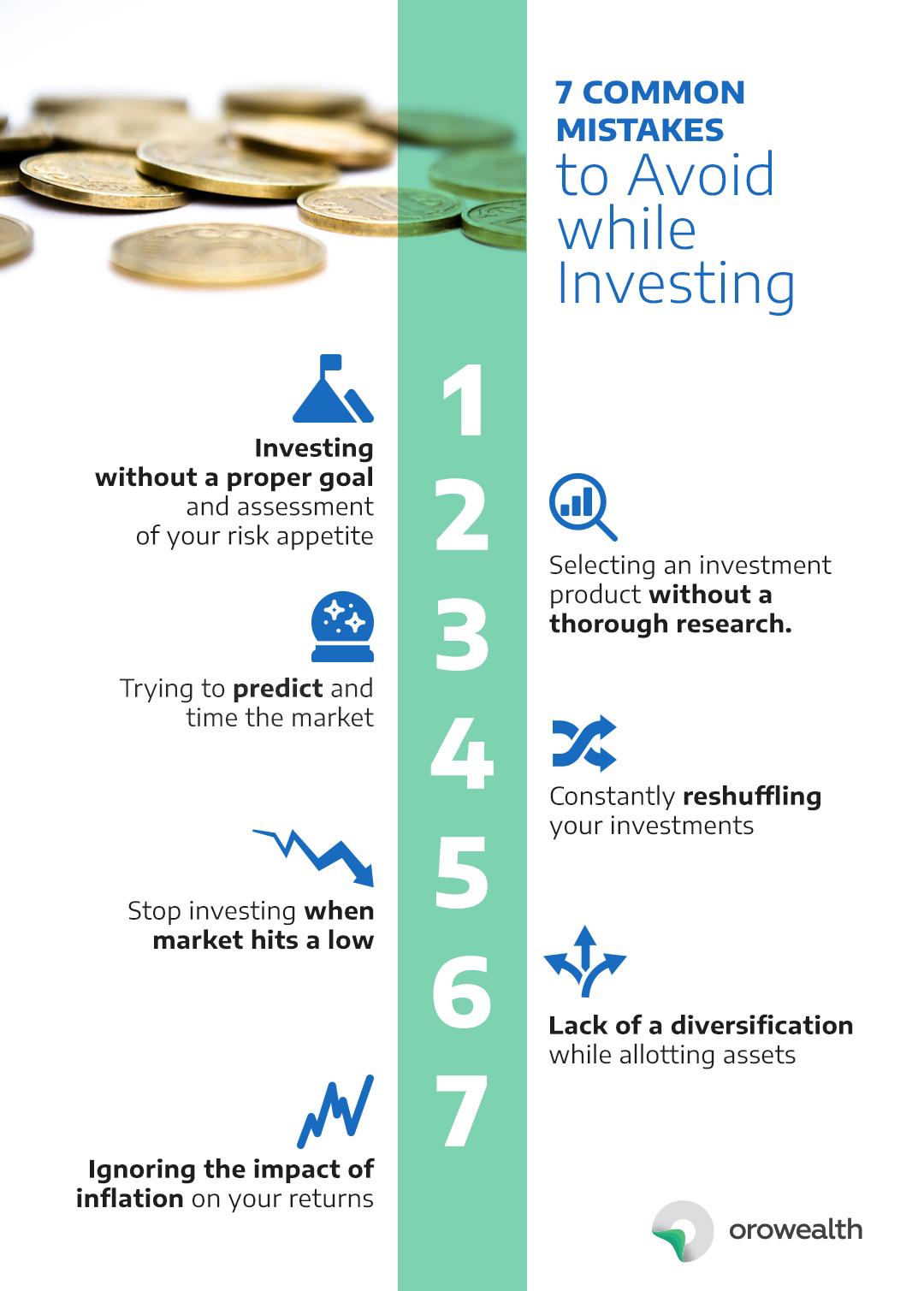
- Focusing on Short-Term Gains: Orowealth's infographic warns against constantly reshuffling portfolios or stopping investments during lows. U.S. News echoes this with taxes and tariffs as 2025 risks—investors fixate on immediate threats, missing long-term opportunities.
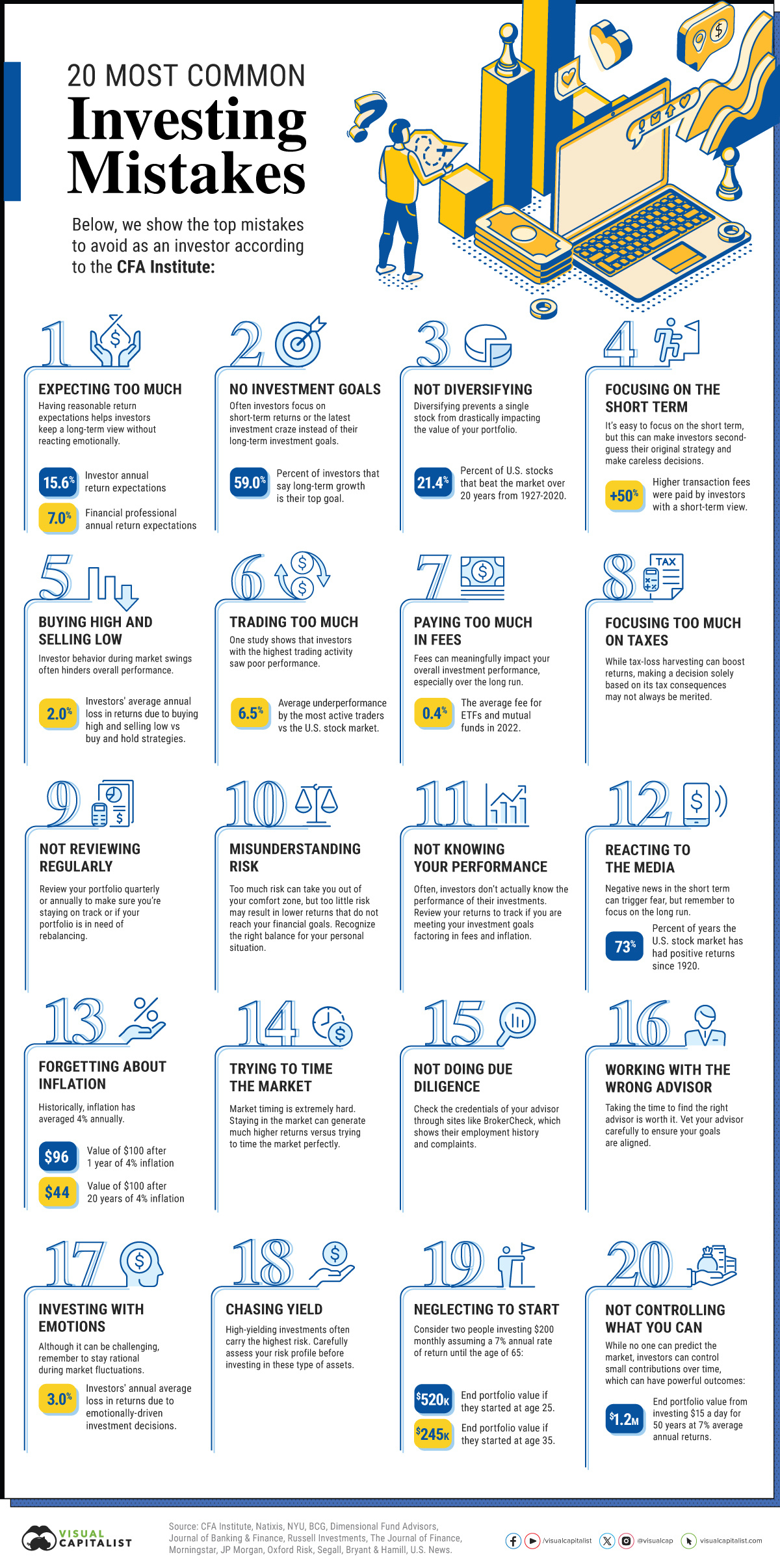
These aren't just theoretical—real investors lose billions annually to them. Visual Capitalist's chart of 20 mistakes shows expecting too much return or no goals as top culprits. The key? Awareness. If you've fallen into these, forgive yourself and pivot. What's one trap you've encountered? Let's unpack it in comments for collective wisdom!
The Foundational Principles of Successful Investing: Lessons from the Masters
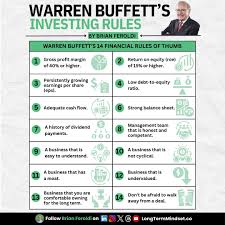
Success isn't avoiding failure—it's building on solid principles. Warren Buffett, with his $140B+ net worth, embodies this through value investing, a strategy rooted in Benjamin Graham's teachings. Let's explore the core tenets, timeless yet relevant for 2025's markets.
- Invest in What You Understand (Circle of Competence): Buffett's rule: Stick to businesses you comprehend. As Rule One Investing notes, this avoids "too hard" piles—companies outside your expertise. In 2025, with AI hype, this means skipping trendy tech if you don't grasp it. Apply: Audit your portfolio—sell what confuses you.
- Buy Undervalued Assets (Value Investing): Seek securities priced below intrinsic worth. Buffett's mantra: "Price is what you pay; value is what you get." Use metrics like low P/E ratios or strong moats (competitive advantages). For 2025, amid volatility, hunt bargains in overlooked sectors.
- Long-Term Perspective: Hold great companies forever. Buffett's "buy and hold" ignores short-term noise. Scrab emphasizes this for financial success—compounding works magic over decades.
- Economic Moat and Quality Focus: Invest in firms with durable advantages, like brand strength or cost leadership. Buffett looks for persistently growing EPS and low debt. Apply: Use balance sheet rules like cash > debt or retained earnings growth.
- Margin of Safety: Buy at a discount to intrinsic value to buffer errors. This principle, from Graham, protects against downturns.
- Risk Management and Diversification: While Buffett concentrates on winners, he stresses effective risk management as one of the ten principles. Avoid over-diversification but ensure balance.
- Continuous Learning: Buffett reads 500 pages daily—knowledge compounds. Harvard Business Review highlights trusting cash-spinning businesses.
These principles aren't flashy—they're disciplined. As Investing.com notes, value investing's core is buying undervalued with strong fundamentals. In 2025, apply them to navigate risks like tariffs or AI bubbles. Ready to adopt one? Start with your circle of competence—comment what it is!
Proven Strategies for Successful Investing in 2025
Building on principles, let's tailor strategies for 2025's landscape. NerdWallet and Bankrate list top investments: High-yield savings (4-5%), CDs, bonds, and stocks. JPMorgan highlights alternatives like private equity and AI infrastructure.
| Strategy | Description | Why It Works in 2025 | Risk Level |
|---|---|---|---|
| High-Yield Savings/CDs | Safe, liquid options with 4-5% yields. | Inflation cooling; Fed cuts boost appeal. | Low |
| Bonds (Gov't/Corporate) | Fixed income for stability. | Volatility hedge amid tariffs. | Low-Medium |
| Dividend Stocks/ETFs | Steady income from quality firms. | Long-term growth in uncertain markets. | Medium |
| AI Infrastructure | Invest in data centers, energy for AI boom. | $4.4T AI addition by 2040. | Medium-High |
| Small-Cap Stocks | Undervalued post-2024 rally. | Rate cuts favor growth. | High |
Quantified Strategies lists 22 approaches, from value to quantitative—diversify for balance. Fidelity suggests international stocks for diversification. Morningstar advises simplifying with index funds. BlackRock emphasizes rethinking diversification amid rates. For beginners, YouTube guides like "If I Started Investing in 2025" recommend low-risk starts. U.S. News lists cryptos and gold as alternatives. Investopedia highlights safe options like Treasuries. Shepard Wealth's four steps: Plan, construct, monitor, rebalance. Align with principles for success. Which strategy excites you? Comment to explore!

Final Thoughts: From Failure to Fortune—Your Investing Journey Starts Now
In 2025, investing failures often stem from emotional traps, lack of planning, and ignoring risks—but success lies in Buffett's principles: Understand, value, hold long-term, seek moats, and learn continuously. With strategies like diversified low-risk assets and AI plays, you can build wealth resiliently. Remember, as the Ten Principles state, compound interest is the eighth wonder—start small, stay disciplined. Take action: Audit your portfolio for mistakes, pick one principle to apply this week. You'll thank yourself later. What's your next investing move? Share in the comments—let's motivate each other to succeed!


0 Comments