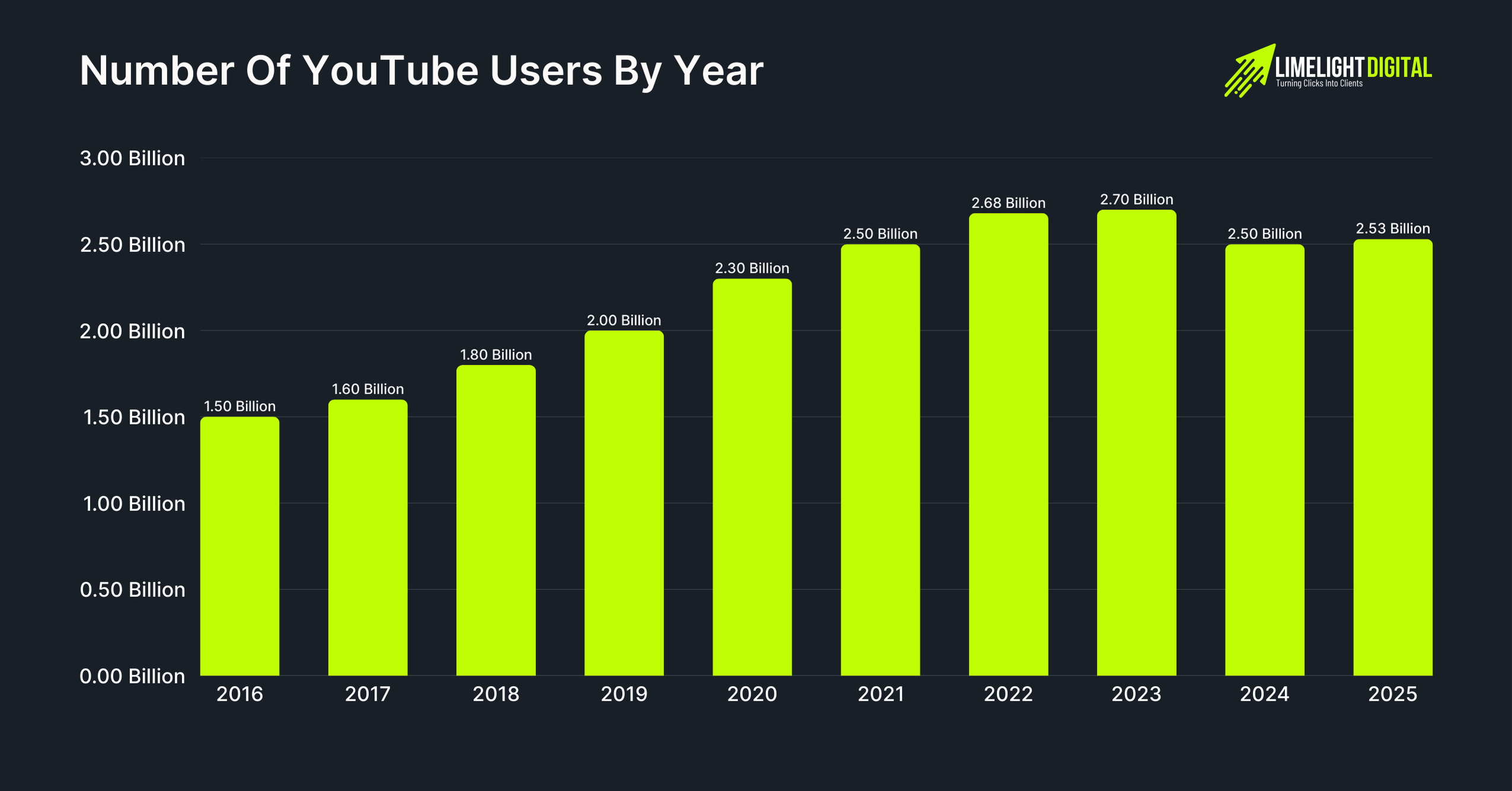
Hey there, aspiring YouTuber! Imagine this: It's October 15, 2025, and your channel is buzzing with activity—consistent uploads, engaged subscribers, and revenue rolling in without you burning out every week. Sounds like a dream? Well, in a platform that's exploded to over 2.7 billion monthly active users worldwide, with India leading the pack at hundreds of millions of viewers, building a scalable content system isn't just nice-to-have; it's essential for survival and growth. As YouTube's user base is projected to hit 2.85 billion by year's end, the competition is fiercer than ever, but so are the opportunities for creators who systematize their approach. Whether you're starting from scratch or looking to level up a stagnant channel, this guide will walk you through a practical, step-by-step framework to create a content machine that scales with you. We'll draw from proven strategies used by top channels in 2025, backed by real data and tips to keep you motivated. By the end, you'll have the tools to turn sporadic uploads into a thriving empire. What's your current biggest YouTube challenge—content ideas, consistency, or promotion? Drop it in the comments, and let's tackle it together!
Why a Scalable System Matters More Than Ever in 2025
Let's set the stage: YouTube isn't the wild west of 2010 anymore. With 12,000 hours of video uploaded daily and users spending an average of 40 minutes per session, the algorithm favors channels that deliver value consistently. But here's the kicker—63% of views come from mobile, and with AI-driven recommendations pushing personalized content, creators who rely on one-off videos are getting left behind. A scalable system means building processes that allow you to produce, optimize, and promote content without constant hands-on effort, freeing you to focus on creativity and growth.
From my research on top channels, frequency beats perfection: Posting weekly or more can boost growth by 2-3x, but only if it's sustainable. Think of it like a business—successful creators treat their channels as brands, with strategies for niches, audience understanding, and data-driven iteration. If you're burning out from solo grinding, this guide will show you how to automate, delegate, and scale. Ready to dive in? Let's start with the basics.
Step 1: Nail Your Niche and Audience Research—Foundation for Scalability
Every scalable system starts with a strong base: Your niche. In 2025, broad topics like "lifestyle" are oversaturated, so niche down to something you're passionate about and that has search demand. Ex-YouTube employees recommend identifying 5-10 video ideas in a sub-niche where you can stand out, like "AI tools for beginners" instead of general tech.
How to do it practically:
- Brainstorm Passions: List things you love—combine them for uniqueness, e.g., "puppy training for busy parents."
- Audience Insights: Use YouTube Analytics (if you have a channel) or tools like TubeBuddy to spy on competitors. Check search volume with Google Keyword Planner—aim for terms with 1K-10K monthly searches and low competition.
- Validate: Post a few test videos and analyze engagement. Top channels in 2025 mix formats strategically—shorts for discovery, longs for depth—to grow faster.
Pro tip: Treat your channel like a brand from day one. Define your "why" and target persona—e.g., "helping millennials build side hustles." This ensures content scales as your audience grows. One creator I read about started with niche gaming tutorials and hit 100K subs in a year by focusing on underserved searches. What's your niche idea? Share below—we can brainstorm!
Step 2: Design a Content Planning Calendar—Your Roadmap to Consistency
Consistency is king on YouTube—channels posting 2-3 times weekly see 2x growth. But without a system, it's chaos. Enter the content calendar: A scalable tool to plan months ahead.
Steps to build one:
- Idea Generation: Brainstorm 20-30 ideas per quarter using trends from YouTube Search Suggest or tools like AnswerThePublic. Mix evergreen (timeless) with trending content.
- Scheduling: Use Google Sheets or Notion for a calendar. Assign themes (e.g., Mondays for tutorials), batch ideas, and set deadlines. In 2025, AI tools like ChatGPT can generate outlines to speed this up.
- Batch Processing: Plan to create multiple videos in one session—script, film, edit. This scales as you grow, reducing per-video time.
From scalable systems experts, treat this like a production line: Delegate research if possible, and use templates for scripts to maintain quality. A workflow might look like: Idea > Outline > Script > Film > Edit > Optimize > Schedule. Visualize it to stay organized.
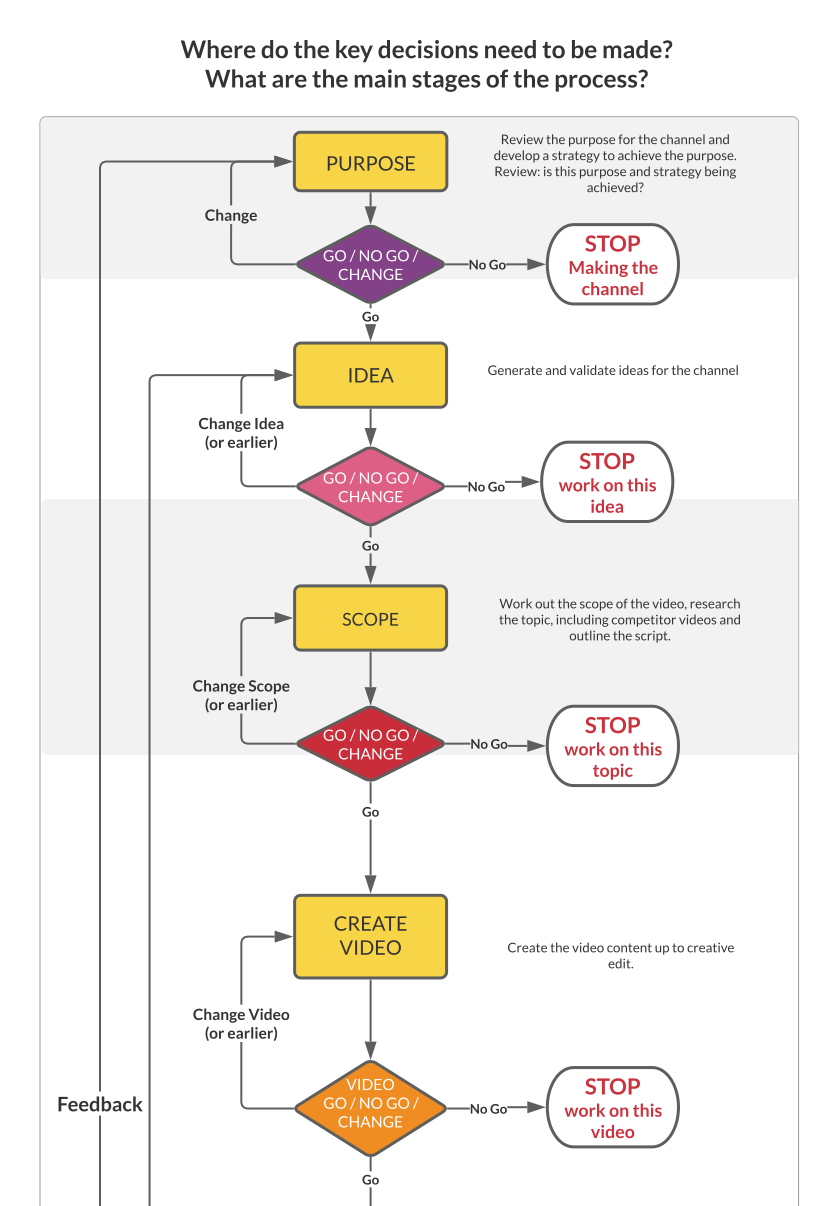
If you're solo, start with 1 video/week; scale to 3 as systems solidify. How's your planning process? If it's chaotic, this step will change everything.
Step 3: Streamline Creation and Production—Efficiency Without Burnout
Creation is where many fail, but scalability means systems that run without you micromanaging. In 2025, automation is key: Use AI for scripting (e.g., Grok for outlines) and tools like Descript for editing.
Practical setup:
- Tools Stack: Camera/phone for filming, Canva for thumbnails, CapCut for mobile edits. For pros, Adobe Suite or Final Cut.
- Batch Filming: Dedicate days to filming 4-6 videos, then edit in batches. This cuts setup time by 50%.
- Outsourcing: As you grow, hire freelancers via Upwork for editing or thumbnails—top channels delegate to focus on strategy.
A scalable video production system includes checklists: Hook in first 5 seconds, value-packed content, strong CTA. One example: Use cloud storage like Google Drive for assets to collaborate seamlessly. If you're aiming for 100K subs, this efficiency turns hours into output. What's your go-to creation tool?
Step 4: Master Optimization—SEO, Thumbnails, and Algorithm Hacks
Optimization is your growth engine. In 2025, YouTube's algorithm prioritizes watch time and CTR, so nail SEO.
Key tactics:
- Titles and Descriptions: Use "BOGY" thumbnails (Blue, Orange, Green, Yellow for contrast), front-load keywords in titles (e.g., "How to Grow on YouTube 2025: Top Tips"). Descriptions: Template with hooks, timestamps, links.
- Tags and End Screens: 15-20 tags, including variations. Add cards/end screens for retention.
- SEO Tools: TubeBuddy or vidIQ for keyword research—target suggested videos for 50% of views.
Infographic tips: Focus on hooks, thumbnails with faces/emotions, and A/B testing.
![Infographic] 9 YouTube SEO Tips to Sky-Rocket Your Video Engagement in 2020 | Early Light Media](https://earlylightmedia.com/wp-content/uploads/ELM_YouTubeSEO_Infographic_final_web_01-1.jpg.webp)
Scale by templatizing—create thumbnail templates in Canva. This boosts CTR by 30%. Test one optimization this week—what's your plan?
Step 5: Promote and Build Community—Beyond the Upload
Uploading isn't enough—promotion scales views. In 2025, cross-promote on TikTok/Instagram for shorts, collaborate with similar channels.
Strategies:
- Social Media: Share clips, engage in communities like Reddit.
- Collaborations: Guest on podcasts or co-create—boosts subs 2x.
- Email List: Build via lead magnets for direct traffic.
Community: Reply to comments, host lives—turns viewers into fans. Top channels use this for loyalty. How do you promote? Let's exchange ideas!
Step 6: Analyze and Iterate—Data-Driven Scaling
Use YouTube Analytics: Watch time, audience retention, traffic sources. Iterate weekly—double down on winners.
Tools: Google Analytics for deeper insights. Scale by A/B testing titles/thumbnails.
Example: If retention drops at 30%, tweak intros. This compounds growth.
Step 7: Monetize and Expand—Long-Term Revenue Streams
Once scaling, monetize: Ads (need 1K subs/4K hours), memberships, merch. Expand to courses, affiliates.
Systematize: Use Teespring for merch, Patreon for exclusives.
A channel hitting $1M used this: Content system + diversified revenue.
Final Thoughts: Your Scalable YouTube Empire Awaits
Building a scalable YouTube system in 2025 is about processes, not perfection—from niche to monetization, these steps ensure long-term growth. With 2.7B users waiting, start today: Plan your first calendar, optimize a video. You'll see momentum build. What's your next move? Comment below—let's grow together!


0 Comments