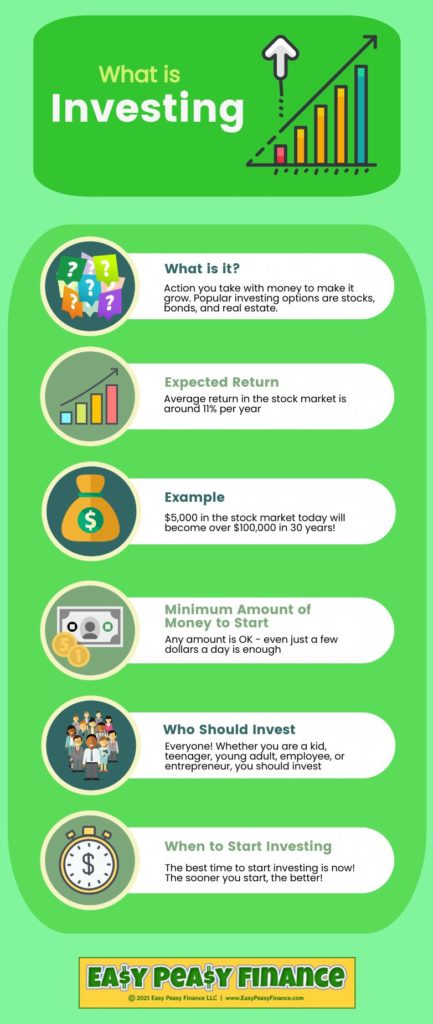
In October 2025, with markets influenced by AI advancements, global economic shifts, and accessible fintech, investing in stocks has never been more approachable for beginners. Stocks represent ownership in companies, offering potential for growth through price appreciation and dividends. Historically, the stock market has averaged about 10% annual returns, outpacing inflation and savings accounts. However, it's not without risks—volatility can lead to losses. This guide provides a step-by-step roadmap to start investing confidently, drawing from expert advice tailored for 2025.
Step 1: Educate Yourself on the Basics
Before diving in, understand key concepts to avoid common pitfalls.
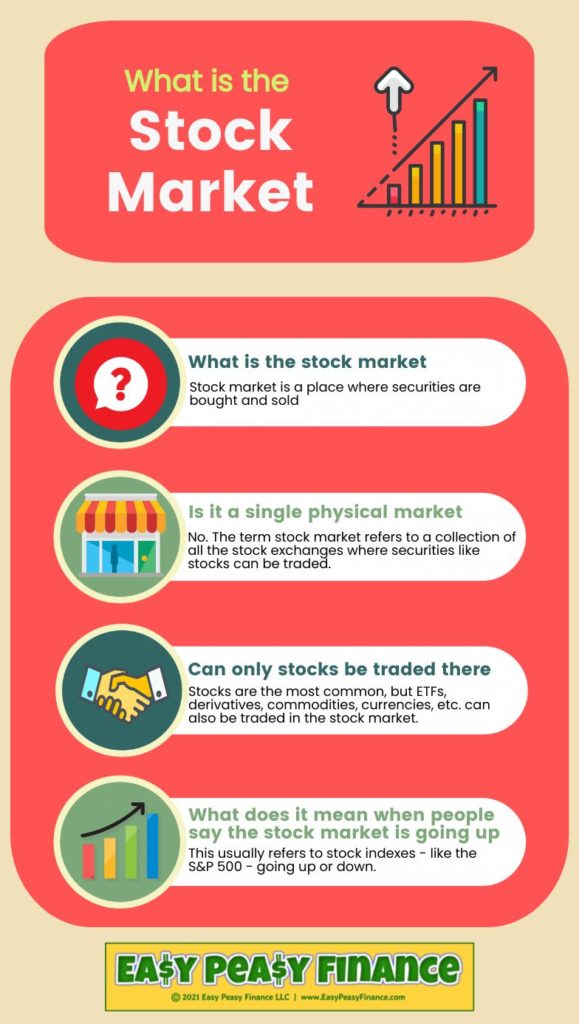
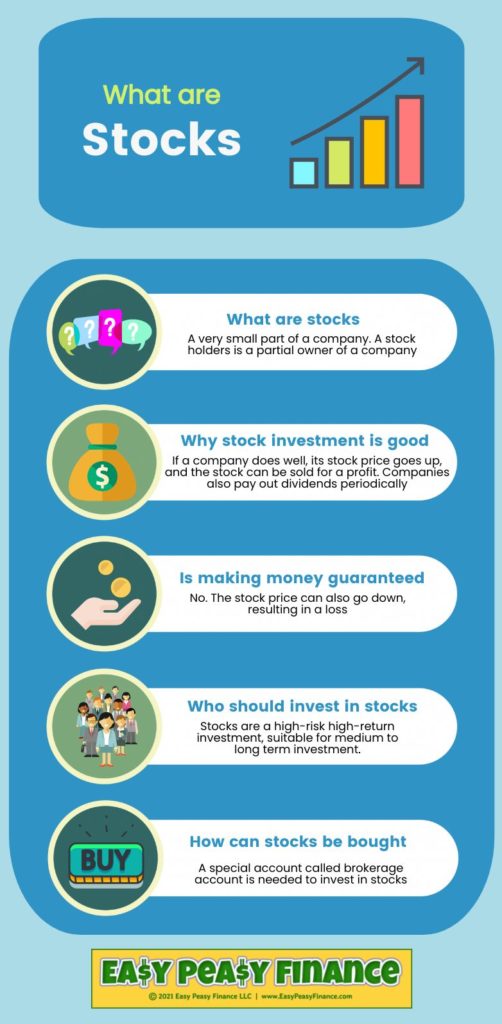
- What Are Stocks? Shares of a company's ownership. When you buy stock, you own a piece of the business and may receive dividends.
- Market Types: Primary (new issues) and secondary (trading existing shares) markets.
- Key Terms: Learn about P/E ratios, dividends, and market caps. Resources like free online courses on platforms such as Khan Academy or Coursera can help.
A solid foundation reduces emotional decisions. As Charles Schwab notes, start by using personal knowledge of brands to identify potential investments.
Step 2: Set Clear Financial Goals and Assess Risk
Investing without goals is like driving without a destination. Determine why you're investing—retirement, buying a home, or building wealth?
- Short vs. Long-Term: Stocks suit long-term goals (5+ years) due to volatility.
- Risk Tolerance: Younger investors can afford more risk; use quizzes from sites like Vanguard to gauge yours.
- Budgeting: Start small—many brokerages allow fractional shares, so $100 can get you started.
Ramsey Solutions emphasizes setting goals first to guide your strategy. In 2025, consider economic factors like interest rates and AI-driven sectors for goal alignment.
Step 3: Choose the Right Brokerage Account
Select an online broker that's user-friendly and low-cost. In 2025, commission-free trading is standard.
| Brokerage | Key Features | Best For | Minimum Deposit |
|---|---|---|---|
| Fidelity | Robust research tools, no fees, robo-advisors | Beginners seeking education | $0 |
| Charles Schwab | Excellent customer service, fractional shares | Long-term investors | $0 |
| Robinhood | Intuitive app, crypto integration | Tech-savvy millennials | $0 |
| Vanguard | Low-cost index funds, retirement focus | Passive investors | $0 (for most accounts) |
| E*TRADE | Advanced charting, options trading | Active traders | $0 |
Based on reviews, NerdWallet recommends starting with brokers offering educational resources. Compare based on fees, tools, and mobile apps.

Step 4: Open and Fund Your Account
Once chosen, sign up online—it's quick, often under 15 minutes.
- Account Types: Taxable brokerage for flexibility, IRA for retirement (Roth for tax-free growth).
- Funding: Link a bank account and transfer funds. Start with what you can afford to lose.
- Verification: Provide ID and SSN; approval is usually instant.
Kiplinger advises opening an account as your first practical step.
Step 5: Research and Select Stocks or Funds
Don't pick randomly—research is key.
- Individual Stocks: Analyze fundamentals (earnings, revenue) and technicals (charts). Tools like Yahoo Finance or TradingView help.
- ETFs/Mutual Funds: For diversification, opt for index funds like S&P 500 ETFs (e.g., VOO). They're beginner-friendly and low-cost.
- 2025 Trends: Focus on AI, renewable energy, and healthcare stocks, but diversify.
The Motley Fool suggests passive approaches like index investing for beginners.

Step 6: Make Your First Investment and Build a Portfolio
Place your trade via the broker's platform.
- Buy Orders: Market (current price) or limit (specific price).
- Diversification: Spread across 10-20 stocks or funds to mitigate risk.
- Rebalancing: Review quarterly and adjust.
Commit to regular investments via dollar-cost averaging—buying fixed amounts periodically to average costs.
Step 7: Monitor, Learn, and Avoid Common Mistakes
Track performance but avoid daily checks to prevent panic selling.
- Tools: Use apps for alerts and portfolios.
- Mistakes to Avoid: Chasing hot tips, ignoring fees, or emotional trading.
- Taxes: Understand capital gains—long-term holdings are taxed lower.
Fidelity highlights building a portfolio with stocks, ETFs, and mutual funds.
Final Thoughts
Investing in stocks in 2025 can build wealth, but patience and education are essential. Start small, stay informed, and consider consulting a financial advisor for personalized advice. With consistent effort, even beginners can achieve financial growth. Ready to start? Open an account today and take that first step. What's your biggest investing question? Share in the comments!


0 Comments